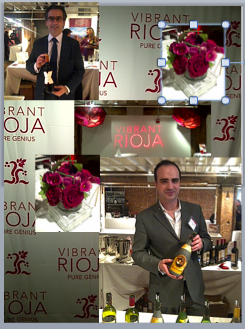
This spring, my plate was both joyful and full….so here I am in June to report on a great visit to Vibrant Rioja NYC in May. I arrived for the last hour of the event for some rapid fire tasting. With little time, I focused beyond reds on Viura-a mildly acidic and aromatic young white (also called Macabeo, one of the three grapes used to make Cava).
Here are a couple I starred in my tasting notes, just in time for the hot days ahead.
-Dinastia Vivanco Blanco 2010 -a blend of Viura, Malvasia and White Tempranillo. True to form-a lovely fresh, aromatic, and crisp dry white (Opici Wines, $13).
-Cortijo Blanco 2010-100% Viura. Gorgeous nose, burst of grapefruit, solid acidity. (Ole Imports, $10).
-Carlos Serres Onomatica 2006. 100% Viura with notes of citrus, honey and nutmeg. Hand picked grapes (Testa Wines of the World, $40). Memorable.
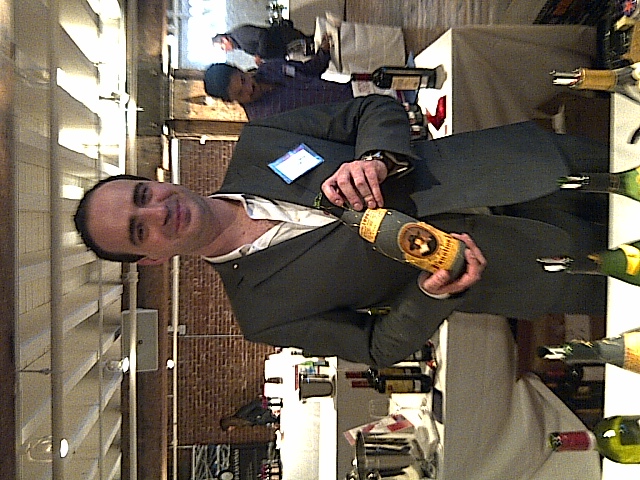
The wines were lovely, but what I enjoyed most were the vibrant people I met. Xavier Flouret, (CEO and Founder of Cognac One) proudly showcased his eponymously named “X” brand and Luis Hilario Silva demonstrated Bodegas Faustino, Palm Bay’s old school classic (and # 1 selling) Rioja. My visit was short but Rioja made a lasting impression. Thank you Rioja for welcoming me and my joyful plate to a fantastic community of people.

For more information, check out http://www.vibrantrioja.com/home.html.
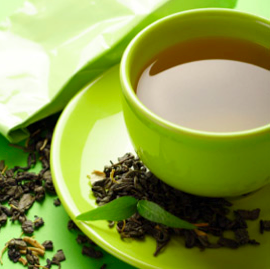
Since starting my new blog earlier in the year, I have wanted to write about tea. My curiosity for tea stems from my love of wine. I see it as a cycle of connoisseurship -an appreciation for one subject, wine or whisky for example, can often lead to interest in others like tea, coffee, olive oil, or balsamic vinegar. For me, tea and wine share a similar language. And it’s one I look forward to learning for the rest of my life.
In the past few years I have been getting more engaged with tea. People who know me well may be surprised by this and might assume that my life revolves around wine! That may be true in my outer life. In my inner life, tea has become my beverage of choice, as it offers “the cup that cheers but not inebriates” (William Cowper’s The Task, 1785). And, unlike wine, drinking herbal tea in the evening prepares me for the best night’s sleep I can dream of.
I must credit my boyfriend for sparking my interest in tea. He is a proud Irishman who brings a package back from every trip to Europe, a tea fanatic who is meticulous about expiry dates and making sure there is fresh milk in the fridge. The brewing of a pot is a ritual we enjoy several times a day. Boiling the kettle, warming the pot, and then brewing the tea until it’s sufficiently strong (under a very tired tea cozy). We like to play a game that involves me guessing what brand of tea we’re drinking. “Yorkshire”? “Bewleys?”. The difference is subtle, but like comparing wines from two different vineyards in Muscadet-Sèvre et Maine, there is a difference. (The technique in brewing a pot has been discussed at length by writers such as James Joyce and George Orwell. See my references below for a modern take on it by Christopher Hitchens in slate).
I’ve started to explore beyond the black breakfast and afternoon teas that I tasted initially. In fact, the joy I get from taking in the fragrance of different teas is similar to that of nosing wines. When I wake in the morning I get excited at the prospect of which tea to taste . . . Ginger Peach for bright fruit, Jasmine Green for delicate perfumes or Shangai Rose for sweet florals. Lately, I’ve been sipping a licorice, fennel and basil blend after lunch, which satisfies my sweet tooth and cleans my palate. By late night it’s time for caffeine-free herbal teas like lavender or Italian chamomile. To avoid clashing flavors, I now have a collection of teapots for different kinds of tea, which is a challenge in the confines of a Manhattan apartment!
As I drink more tea, I am thirsty for more knowledge. I received a precious gift this year, The Book of Tea. It’s beautifully designed, filled with gorgeous photographs printed on Italian paper, and it also serves as an excellent reference source on the culture of tea. The English writer Anthony Burgess wrote the preface: “More tea is drunk worldwide than any other beverage except water…leaving its mark on every civilization. Perhaps no other beverage has been the object of such sanctification and ceremony…”. There are also excerpts by wine expert Hugh Johnson.
Terroir
The French concept of terrior (sense of place) applies to tea just as much as it does to wine. Hugh Johnson points out that just as the Romans brought vineyards to the countries they conquered, so the English planted tea in India, Ceylon and Africa. “ Wherever it is cultivated, tea will impart its highly sought, subtle fragrances only if grown in a wet and temperate climate –long sunny days, followed by rainy nights and pure mountain breezes”. For example, in the Northeast Indian region of Darjeeling there are sixty-one gardens that produce the highly prized “champagne” of black teas on grand estates perched at altitudes of over five thousand feet.
Classifications
Wine enthusiast Tomás Clancy paralleled wine and tea classifications this year on RTE (Irish National Radio). He likened bulk black powder tea to “vin de table” (table wine) and first flush tea (which is hand picked for freshness and delicacy at the beginning of the season)
to the quality of a first growth wine. Like wine, there is a whole maceration and fermentation process to learn about, if you enjoy the technical side of things.
Taking time for Tea
Given the crazy world we live in, I have found that tea is becoming important for reflection, health and enjoyment. “To savor tea fully, one must know how to take the time to relax, how to leave daily cares behind and appreciate the simple pleasures of the moment. It is thus associated with luxury, whatever the circumstances, and is often conducive to good humor, particularly among the English”. (Anthony Burgess).
I understand now why “tea time” in my house is sacred…as an extreme multitasker; I can easily get distracted when it’s time for a brew. I often hear yelling from the other room, “Where are you going?! We’re having tea!”. Like wine, taking time out to enjoy a cup is all about claiming a moment — and connecting with whomever you’re lucky enough to be sharing it with.
Written by Michelle Lawton. Stay tuned for Part 2 discussing tea trends in food, spirits, and more.
Sources
The Book of Tea, Flammarion, Paris. Preface by Anthony Burgess.
Raidió Teilifís Éireann (Interview with Tomas Clancy, wine enthusiast)
Tea Association of the U.S.A.
www.slate.com/id/2279601/
(Gorilla coffee)
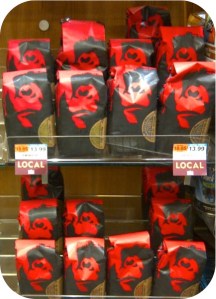
One of the most important social movements to emerge in the last few years is the food movement, according to Michael Pollan. And as with social movements like Indie Rock and Indie Film, Indie Food has a brand new face. These past few months I’ve been hitting the pavement in nyc, visiting specialty food shops from Williamsburg to Chelsea up to Morningside Heights to see what the new face of food and beverage looks like. Here are a few packaging trends that caught my eye.
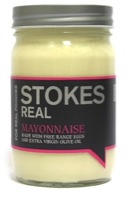
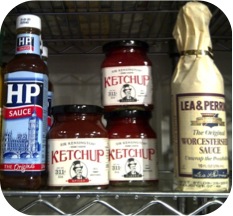
Everything’s getting a re-think: even staples like ketchup and mayo.
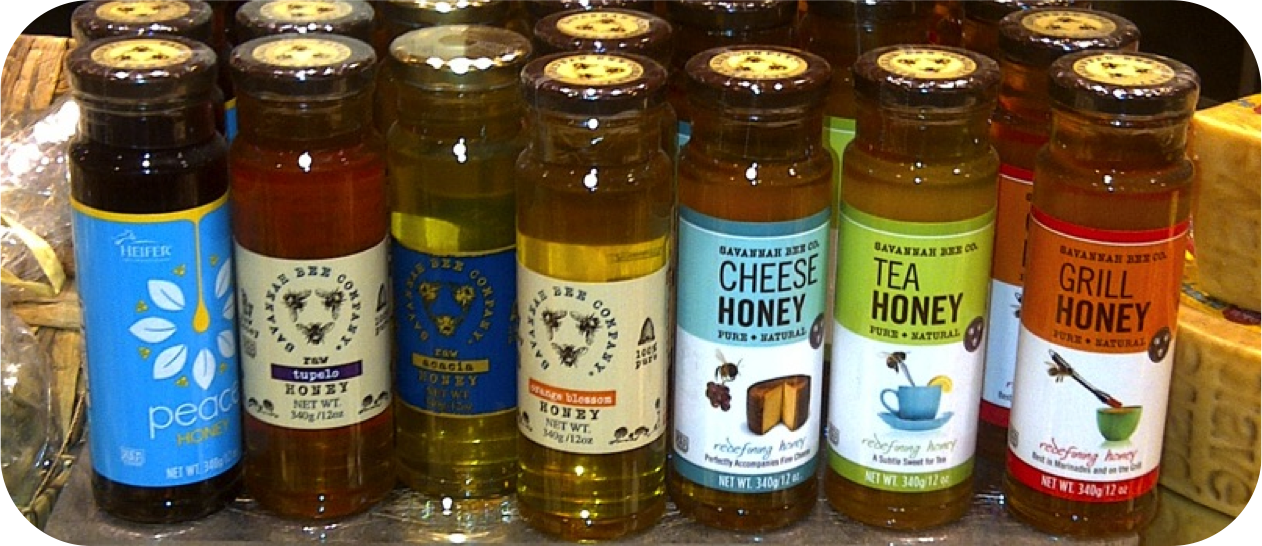
Honey is all the buzz-especially with this kind of charm.
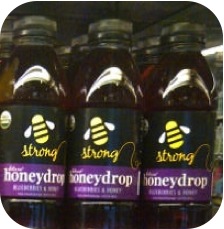
Sophisticated sparkling juice is cause for celebration.

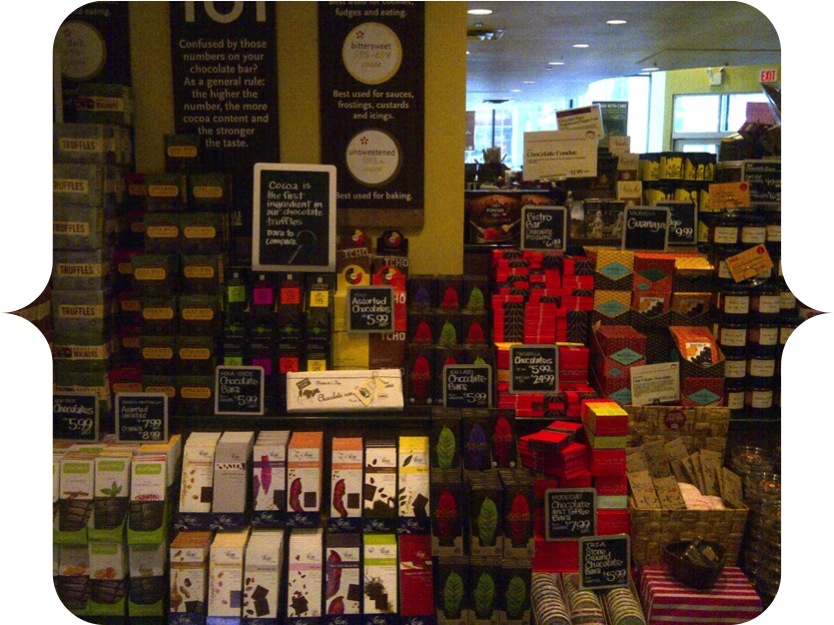
Is chocolate the new wine section? Check out the depth and breadth of this display.
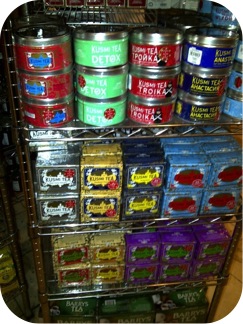
A modern tea culture has arrived, gloriously wrapped in ceremonial dress.
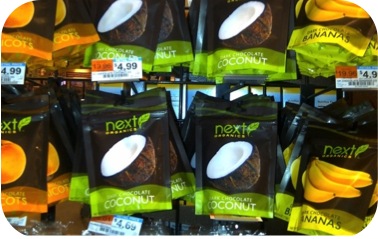
What’s next in snacks…..real fruit freshness.
Old world curry and ponzu is exciting and new.

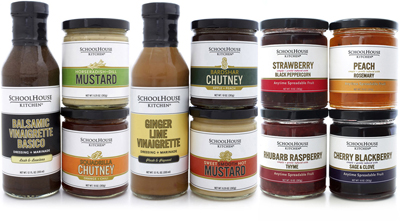
A colorful palette of tastes and flavors to get creative with in the kitchen.
Brooklyn is brining big time with all kinds of freshness and confidence.

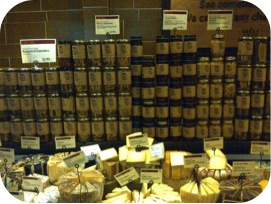
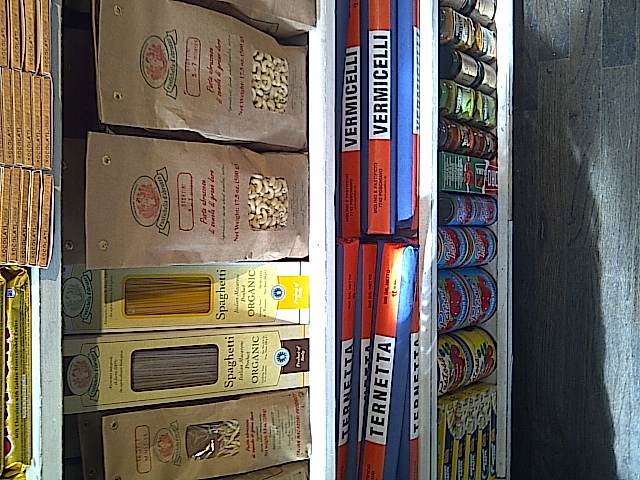
The sensibility is often bold, irreverent and inventive. In this pasta display, the Vermicelli takes center stage.
Thanks for reading-more thoughts from the road coming soon!
Note: Most images were taken by M. Lawton in preparation for this report as examples of modern food packaging.
Spirits were stirred last Tuesday at Edible Manhattan’s Liquid Symbiosis event at Le Poisson Rouge in New York. Sub zero degree weather could not keep hundreds of 20 and 30 somethings away from the chance to sample dozens of delicious food and drink pairings.
From my experience, some wine events can become a blur if you’re not thoughtful about tasting. Spirits, on the other hand are less heady-the tastes are more overt and expressive. Mixologists use beautiful fresh ingredients-brewed teas, fruits, flowers and spice to create drinks that play with the imagination.

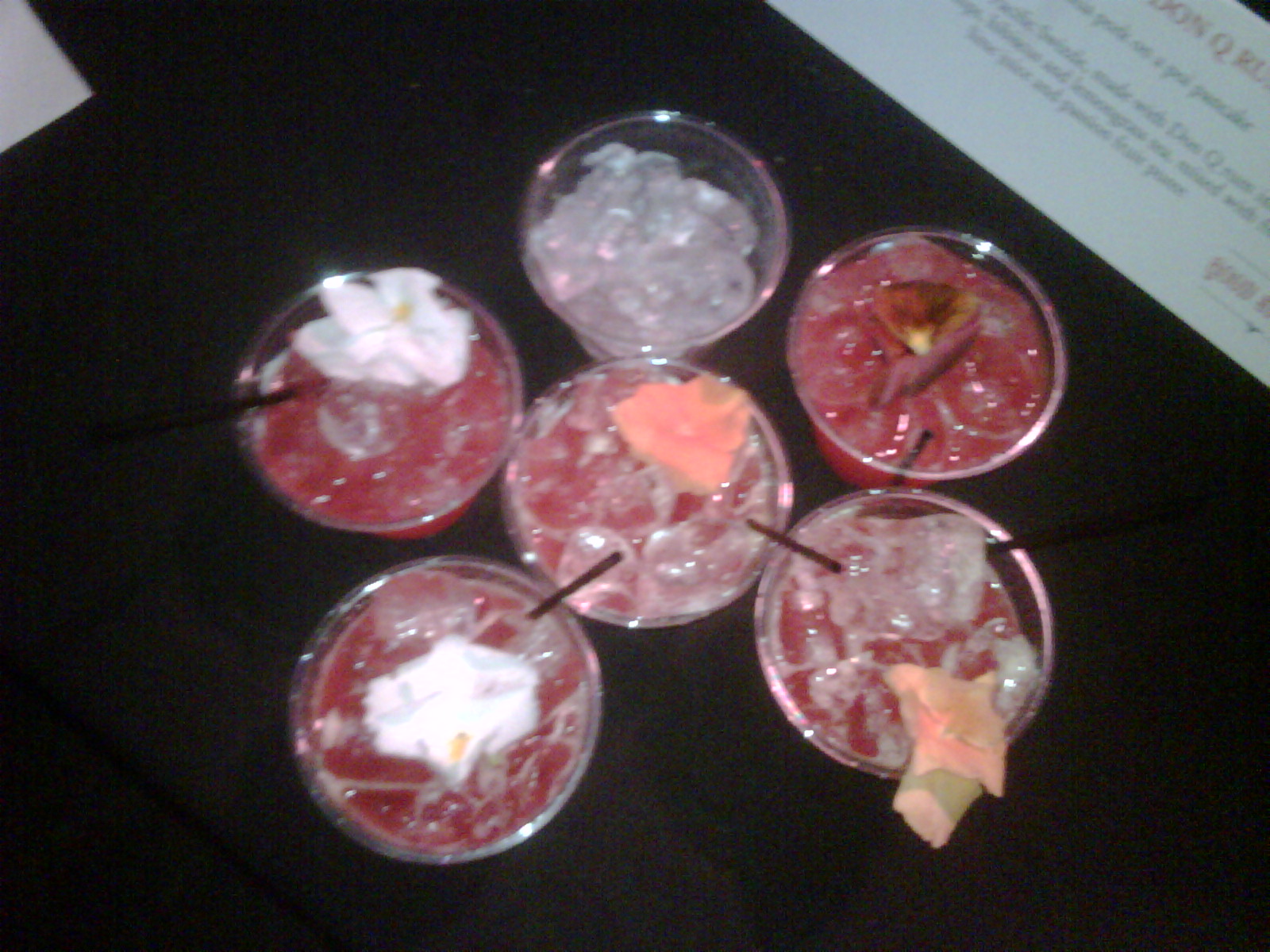
Soho’s Polynesian lounge Lani Kai served a “Pacific Swizzle” made with Don Quixote rum, hibiscus, rose hips, fresh lime juice, lemongrass tea and passion fruit puree….aloha! Totally exotic. http://www.lanikainy.com.
Elderflower blossom liqueur St. Germain offered an enchanting drink made with a sugar cube, bitters and prosecco. This brand is a starlet -the aroma and taste is so floral and honeyed you sip slowly not to waste a precious drop. And the elegant bottle and romantic branding seduces in a way that has made it an instant classic. It was paired with a cerviche made with house cured bakala (dried salted cod reconstituted in water for 2 hours), mixed with red onion and tomato, as well as with an indulgent mushroom croquette with truffle oil (from Macao in Tribeca). http://www.stgermain.fr.
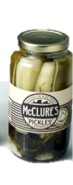
McClure’s served a knockout Bloody Mary mixed with Prairie Organic Vodka-a small batch, sustainable spirit made from organic corn from Minnesota. The rebel of the show, the red drink looks like a bloody mary, but tastes like pickles! Well, at least it does when it first touches your lips. It’s really refreshing, vinegary and vegetal. I saw it on line at Murray’s Cheese shop-it’s a go for my next brunch. http://www.mcclurespickles.com, http://www.prairievodka.com.
Nonino created an exciting drink of their fine grappa mixed with chardonnay and infused with mango and pineapple with a chili salt rim.…a playful mix of heaven and hell! Nonino is a super premium small batch grappa that I wouldn’t expect to mix (just like you’d never pour oj into Champagne) … but they’re clever to do it to make it more approachable. http://www.nonino.it.
Bache Gabrielsen Cognac offered a tasting of XO “Natur & Eleganse”. Made mostly with grande and petit champagne grapes, it has a clean and modern style. They choose not to add sugar and caramel so the taste is pure and the color pale-noticeably different than traditional cognacs. It’s very elegant with layers of mellow fruit and light floral notes. http://www.bache-gabrielsen.com.
And for the grand finale I tasted Comb’s vodka drink, distilled from honey and infused with Darjeeling tea, sparkling wine, lemon and Benedictine. Thank goodness for the bees that make this nice nectar. http://www.ediblemanhattan.com/20110110/creating-a-buzz.
I look forward to the next Edible event. The sense of community they’ve created in New York/Brooklyn/East End (and around the country) helps everyone engage, consumers and pros alike. It’s a really great brand itself- understated, authentic and original, it feels like it’s always been here and I’m sure will stay for years to come.

When you’re looking for a good cup of coffee there’s the good, the bad, and the very ugly. Surprisingly, this is even the case in New York City. And, nothing is more irritating than spending $3+ on a really mediocre cup. Life’s too short to drink bad coffee (I think I have a running t-shirt somewhere with that quote!).
Good brewed coffee is not only one of life’s greatest pleasures, but on some mornings, it’s life support. And as a new entrepreneur, making coffee at home just makes good sense. That’s why I was thrilled to attend the “Art of Coffee” event at the Andaz hotel last week-sponsored by Urnex.
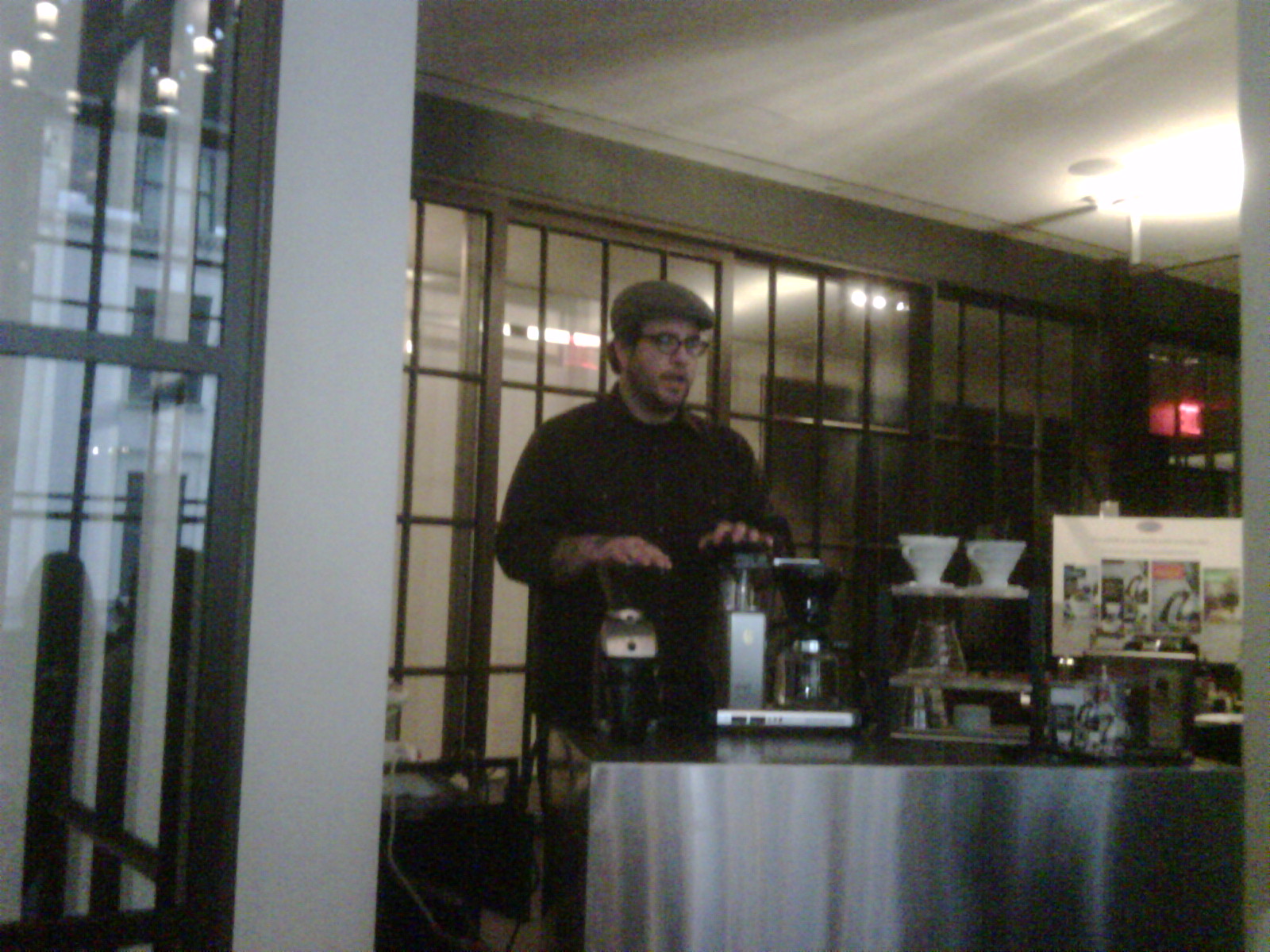
Coffee expert Louis Poore guided us through a demonstration on how to make the perfect cup of coffee. He used two methods – a Technivorm machine (the Lamborghini of coffee machines) and also a Hario V60 Ceramic Pour Over (all the rage at the moment).
For the best coffee, use fresh, cold water and fresh roasted whole beans. Remember coffee is sacred-don’t treat it as a commodity, treat it with care! Start to get in the habit of buying smaller amounts to give you the chance to sample different blends. Store it in a place that’s dry and airtight- the darker the better. When grinding, aim for particles that are consistent in size. And don’t be shy-use 2T. coffee to 6 oz. water for a good, potent cup.
So what makes coffee sub-par? One of the most common issues is an unclean machine. Coffee can get oxidized and go rancid in your coffee maker, so periodically cleaning it removes mineral deposits and keeps it well tuned. Urenex’s 1-2 Brew Kit is super easy to use and keeps you engaged in the coffee making experience. You can find it on-line at http://www.seattlecoffeegear.com or find individual products “Cleancaf” and “Dezcal” at Bed, Bath & Beyond. I tried them out on my tired machine to give it a little lift.
Urnex is a manufacturer of specialty cleaning products for coffee and espresso equipment. Founded in 1936, Urnex’s portfolio of powders, liquids, and tablets is distributed in over 50 countries around the world. For more information, visit http://www.urnexathome.com.
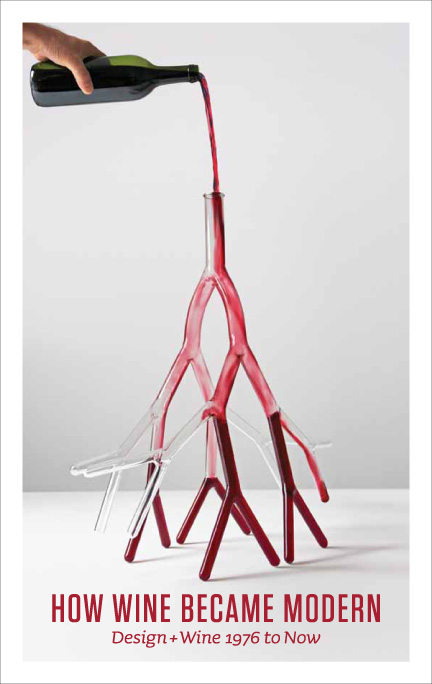
We’ve come a long way, baby. From a young wine industry inspired by French formalities (remember Orson Welles in the Paul Masson tv spot “We’ll sell no wine before its time”?)… to a modern industry revolutionized by a Wallaby with a yellow tail, wine has earned its place on the U.S. dinner table- and at the bar, the barbeque, the ball game and the design studio. That is the idea behind the current exhibit at MOMA in San Francisco, “How Wine Became Modern” (November 19-April 17). The exhibition explores “transformations in the visual and material culture of wine over the past three decades, offering a fresh way of understanding the contemporary culture of wine and the role that design has played in its transformation”.
When I was a new brand manager in the biz years ago, my first impression of the industry was that it offers the perfect balance of art and commerce. Both seem to be well represented at this exhibit.
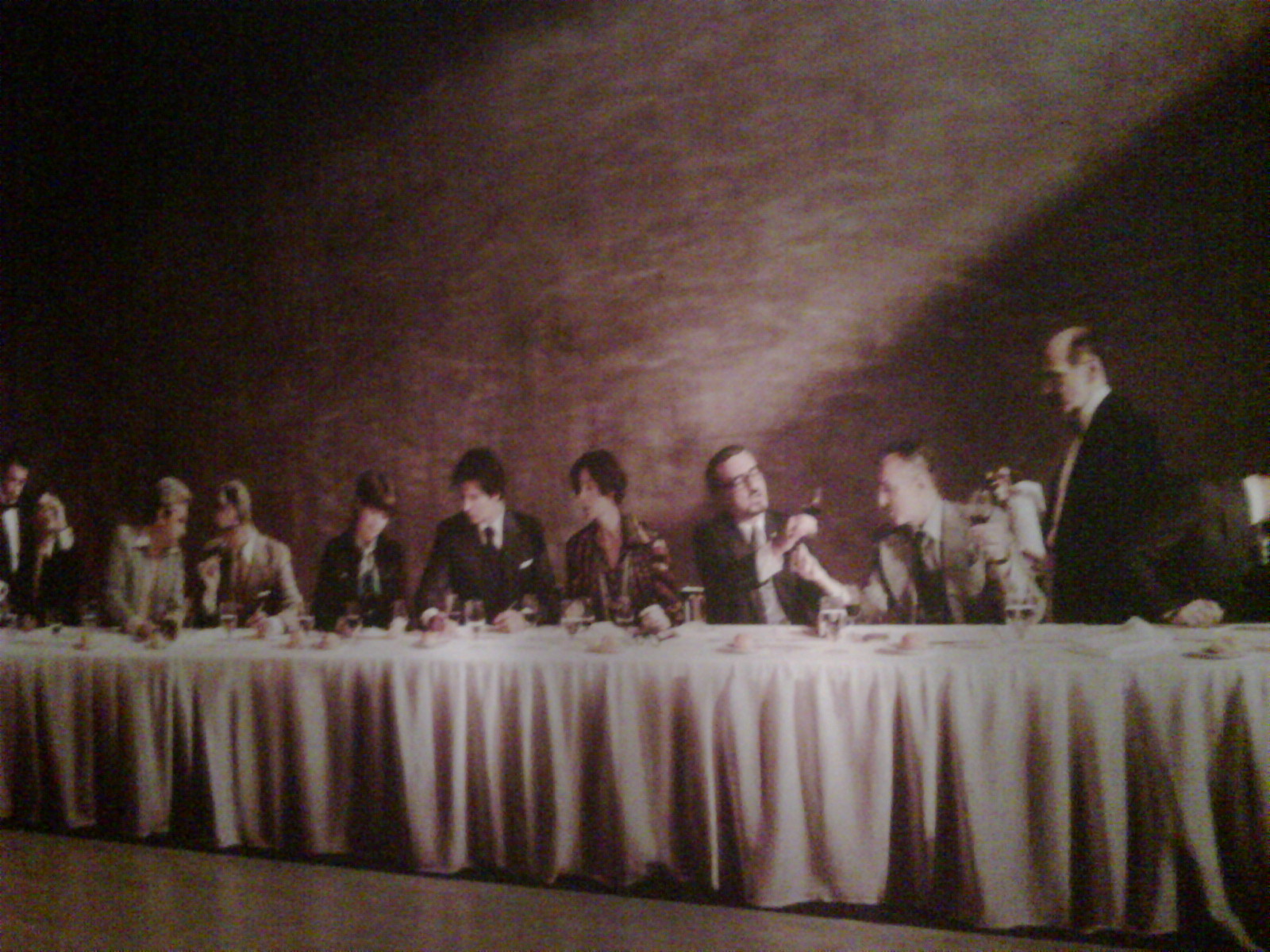
History: The story begins in 1976, the year of the now-famous Judgment of Paris. There, in a blind taste test, nine French wine experts pronounced a number of Northern California wines superior to esteemed French wines.* (P.S.-“Bottle Shock” is a wonderful story about this-a great NetFlix pick).
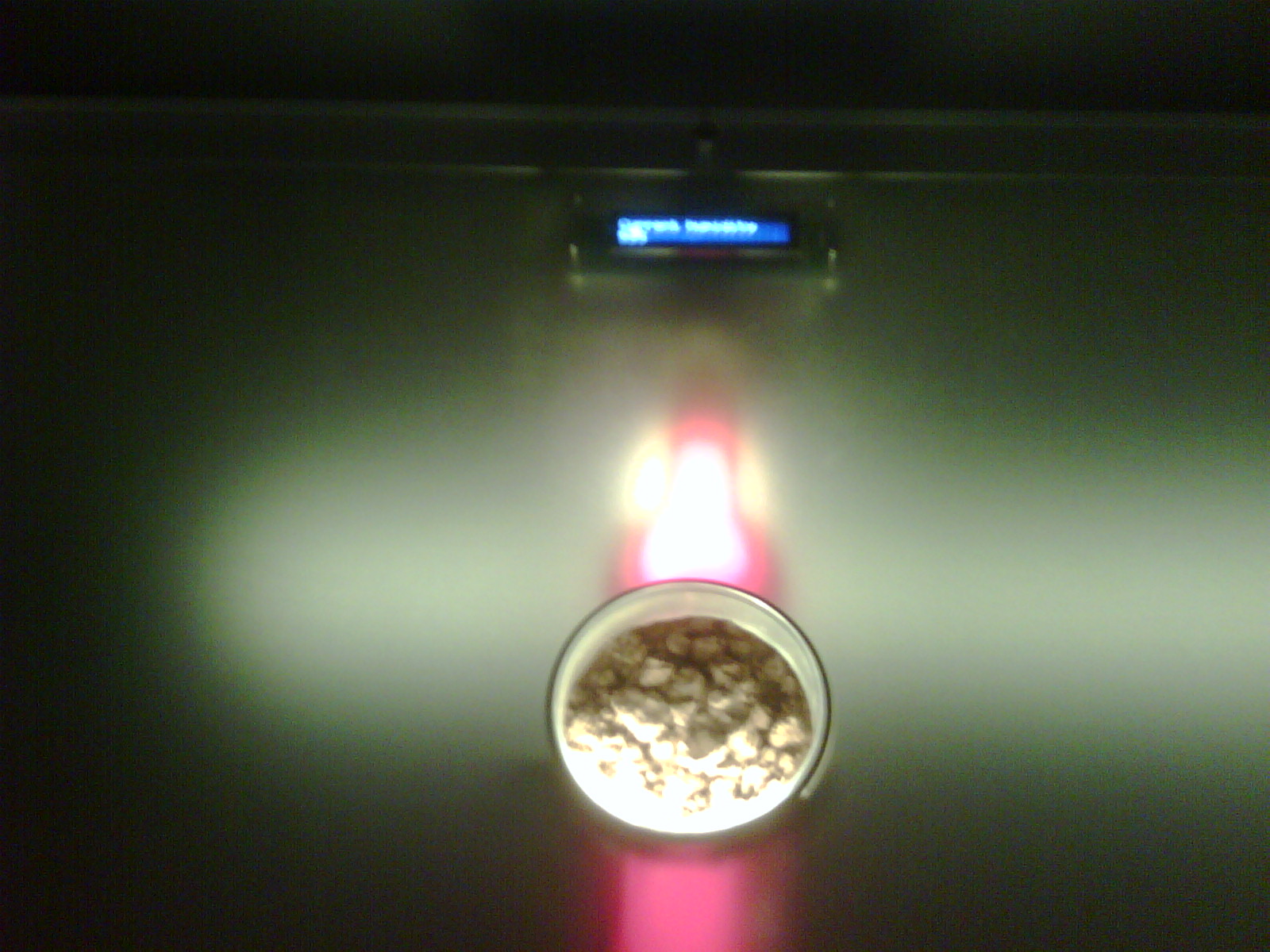
Viticulture: For those versed in viticulture, there is a gallery dedicated to terroir where you can compare soils from 17 vineyards around the world, examine current weather conditions and review the impact that root depth has on vines at Opus One in Napa (10 feet) vs. the Finger Lakes (1-3 feet) … demonstrating that wine is an agricultural product and all good wine making begins in the vineyard.
Enology: To help us understand the creativity of wine making and tricks of the trade, there’s a room revealing accessories like OxBox that provide micro-oxygenation to accelerate maturation.
Sensory Exploration: My favorite part of the experience is nosing wine for aroma. At the smelling station you’re able to detect cats pee on a gooseberry bush in a New Zealand sauvignon blanc and petrol in a Riesling, for example.
Sales: A fascinating video of facts detail major milestones…in 2004 the film Sideways made pinot noir a star to the masses and apparently in the U.S. in 2006 Yellow Tail’s sales equaled those of French wines.
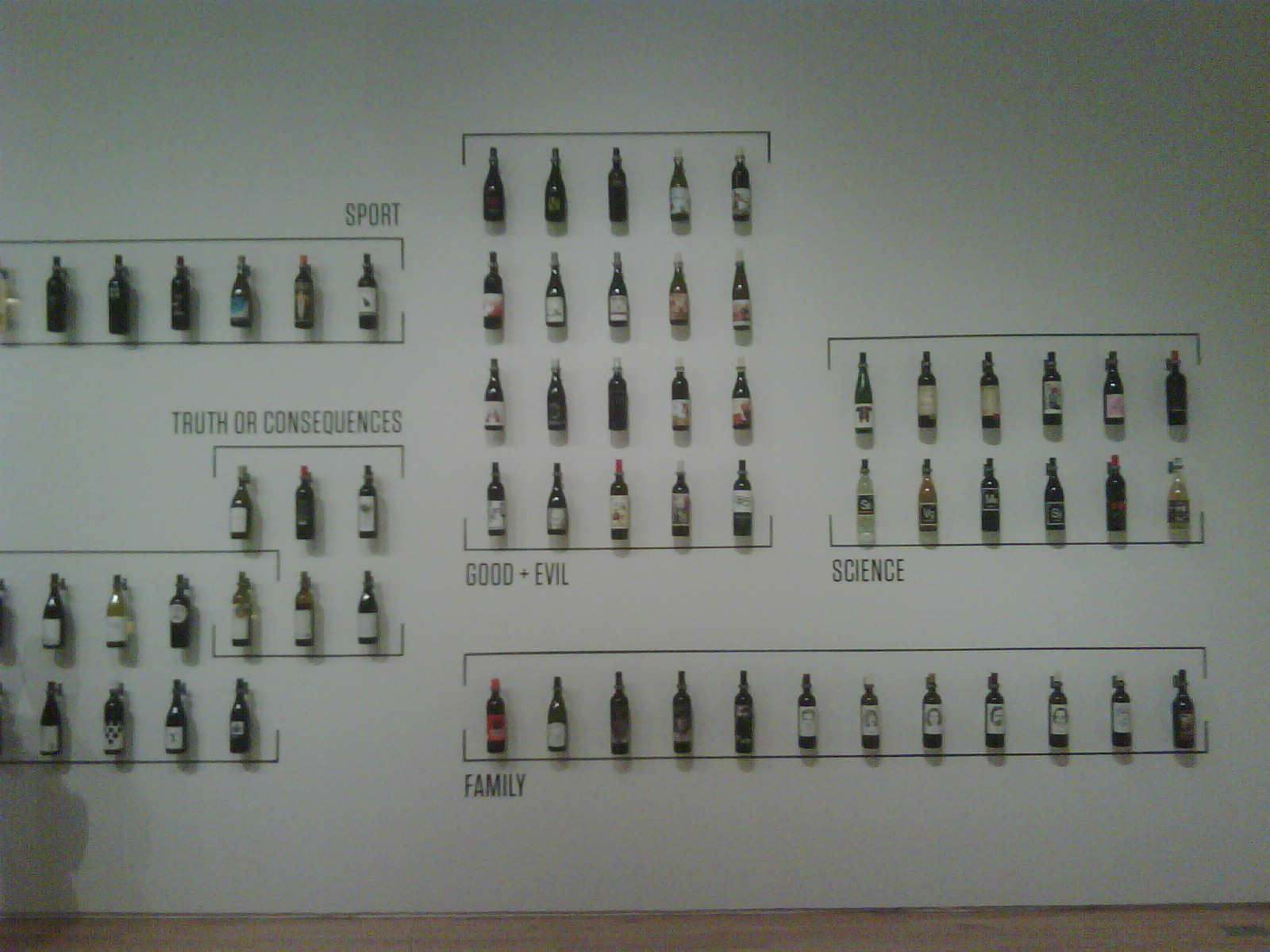
Graphic Design: As a strategic design consultant, I felt a magnetic pull towards this room. On display is a segmentation of 200 wines grouped by concept-from “animals” to “cheeky”, “femme”, “sexy”, “good & evil” -characters created to bond with consumers.
Film: There is a fast moving montage of wine in films -of all those dramatic moments where wine is thrown in the face of a lover in a rage and corks pop at fabulous celebrations with Marilyn Monroe.
Media: There’s a wonderful compilation of historical advertising and journalism- for example the 60 Minutes story on the “French Paradox:” (why the French can eat 40 lb. of cheese a year, thanks to red wine-the platelet flusher).
Education/Community: A cool collection of facts and trivia from the Wine Aroma Wheel by UC Davis to Wine for Dummies.
And there’s much more, from a ground breaking architecture exhibit featuring wineries, tasting pavillions and spas around the world to structural glassware design. No matter what aspect of it turns you on, no doubt you’ll appreciate that next glass just a bit more.
*Photos taken by M. Lawton for this story. MOMA press release including names of artists: http://www.sfmoma.org/press/releases/exhibitions/829).
Not to out do Oprah …… here are a few of joyful plate’s favorite food and beverage campaigns this year. It’s not easy to differentiate food brands. Flip through the magazines, you’ll read a lot of generic tag lines like “here’s to food”, “foods you can feel great about eating”…foodie this and that, blah blah blah. Here are 10 brands that seemed to get their communication right by looking within to find their real character.
Kraft Macaroni & Cheese-“You know you love it” is loaded with insight. Adults secretly love the gooey, creamy and delicious taste of Kraft Mac and Cheese. It’s such a big idea, Kraft seems to have built an innovation strategy around it, introducing a new Homestyle dinner targeted to adults. Humor helps reverse any lingering stereotypes. Annie’s moms will be horrified. http://www.youtube.com/watch?v=_oPiw3KvQWo
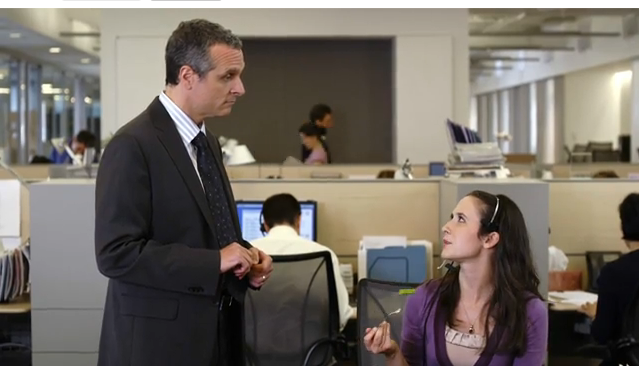
Healthy Choice brought a bit of Ricky Gervais style comedy to food this year. AdLand said it best: in the “Honest to Goodness” campaign we find a world without verbal filters. Like the food, it’s both crisp and honest with punch lines like “that’s why I stopped sucking up to you for that raise”. A brilliant way to call attention to their new Steamed Lunches line. http://www.youtube.com/watch?v=JH0s0rmgVzs
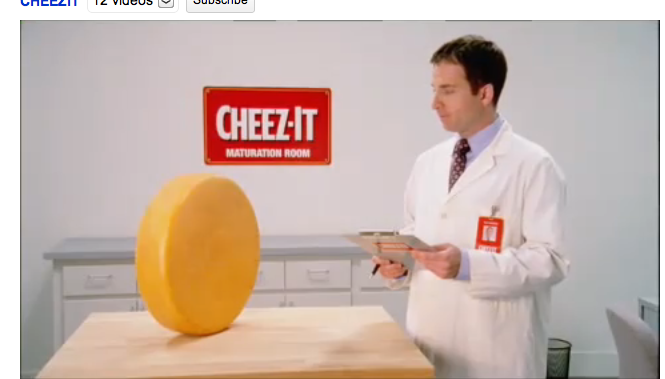
Cheez-It- “Real Cheese Matters”. This laugh out loud campaign features funny vignettes of cheese in the “maturing room” tormenting the technician with knock knock jokes like “what do you call a cheese that’s not yours? Nacho cheese!” It’s Ha ha funny, but totally appropriate for a party cracker. Cheez-It keeps it real. http://www.youtube.com/watch?v=TIR5amIeI4A&feature.
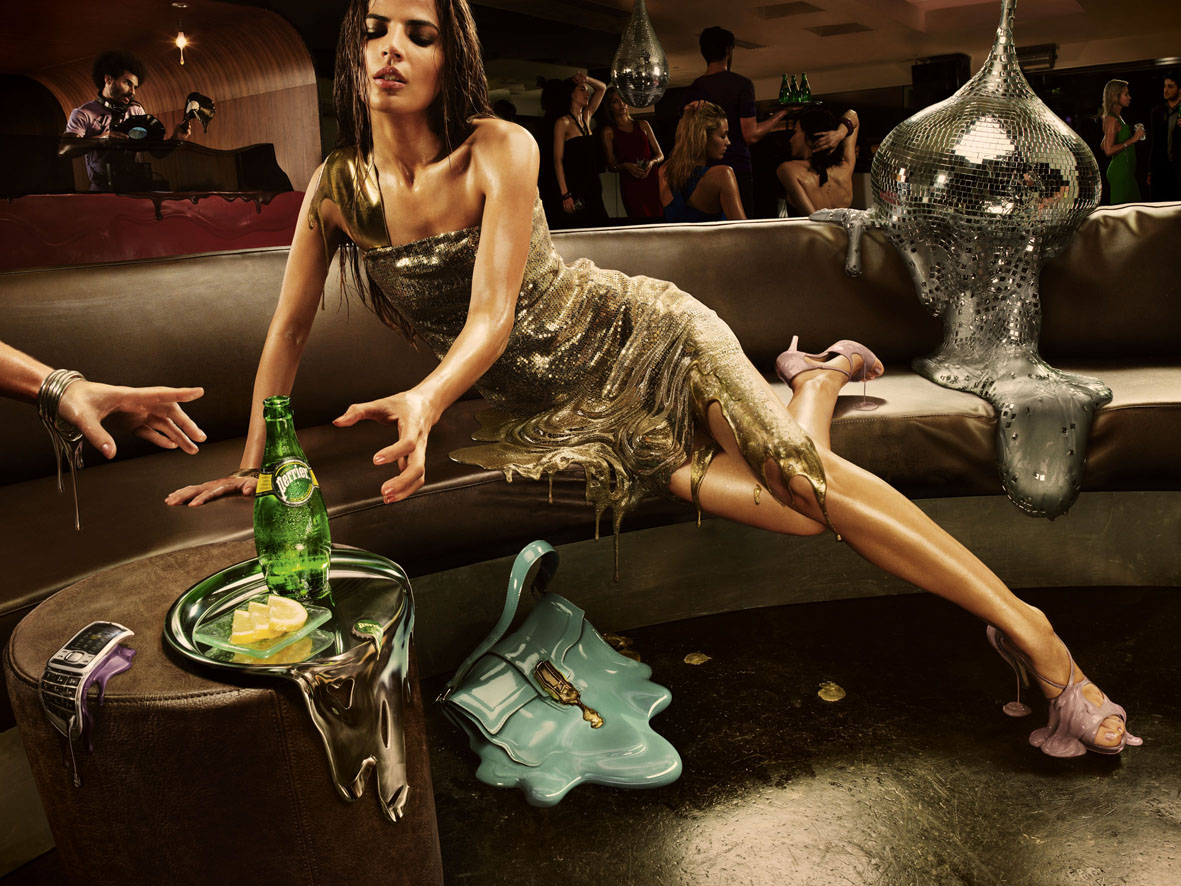
Perrier landed on a great strategic insight and torture test for thirst (melting) and the perfect environment to showcase it (at a late night club). As trends move towards less binge drinking (or at least pacing ourselves with water), Perrier stands to own this space, with quintessential French style. Tres chic, Perrier!
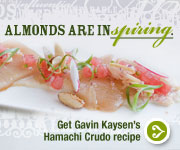
California Almonds-The Almond board of California got it right this year. The “Almonds are inspiring” campaign is strategically driven, and tastefully executed (a rare combination). Around the ad, the benefits of almonds are expressed in a playful and elegant way “inspiring, indulgent, inviting, intriguing, ingenious, integral”. What a way to differentiate almonds from the other nuts out there.

Spice Islands: “What the World Tastes Like”. Discovery is built right into the tagline to differentiate the brand.
Swanson Broth: The Secret is Swanson …. a simple reference to a “secret ingredient” which of course stock is at its most fundamental. Then of course the “Great Stuffing Debate” http://www.swansonbroth.com kicked up the comedic value another notch this year, capturing the wonderful dysfunctionality of our family gatherings at holiday time. Swanson and its agency dug down deep this year to bring relevancy to a tired category.


Campbell’s: “It’s amazing what soup can do” is a campaignable idea big enough for Campbell’s new packaging and positioning refresh. It changes the way you think about soup- no longer just about comfort, soup can help empower your life. http://www.youtube.com/watch?v=ifg7vLzhFy8

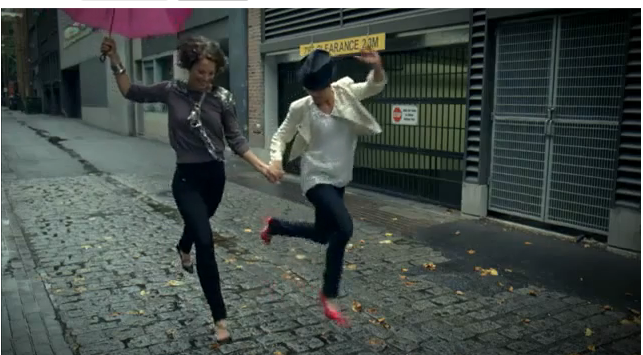
Nestle Coffeemate’s “Add your flavor” keeps this brand fresh as new. The new spot encourages users to express yourself -(by exploring new flavors as you might with tea or wine for example). The message is delivered in a fun and stylish way. http://www.youtube.com/watch?v=PkC0RWZCrF4.

Le Creuset: It’s like a top of the line sports car for the cooking enthusiast. In the end, it’s a well-made “dutch oven”. But their smart branding makes owning one seem like a right of passage. Authentic and trustworthy, Le Creuset has been used “in the homes of culinary icons past and present”. And yes, I confess that I asked Santa for one – mine came in red this year……
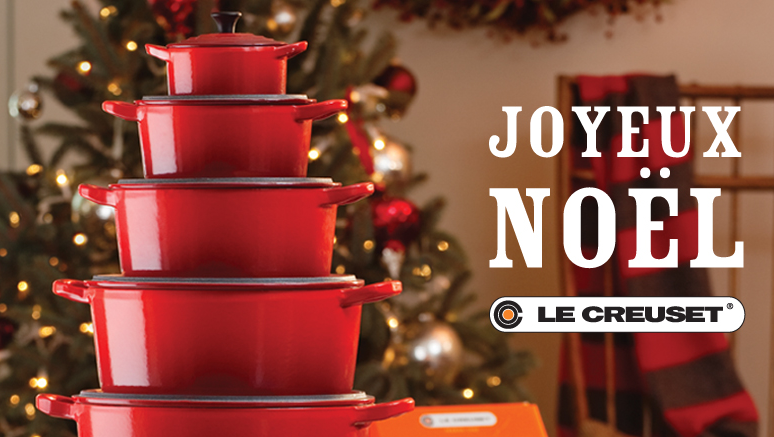
Happy New Year from joyful plate!
(All imagery used to support point of view on advertising/branding).
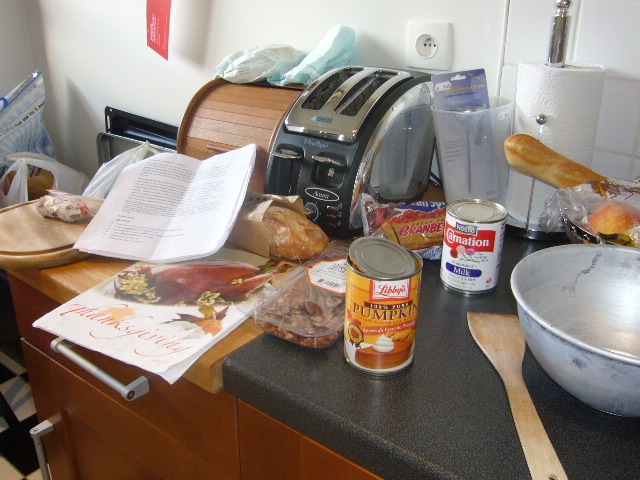
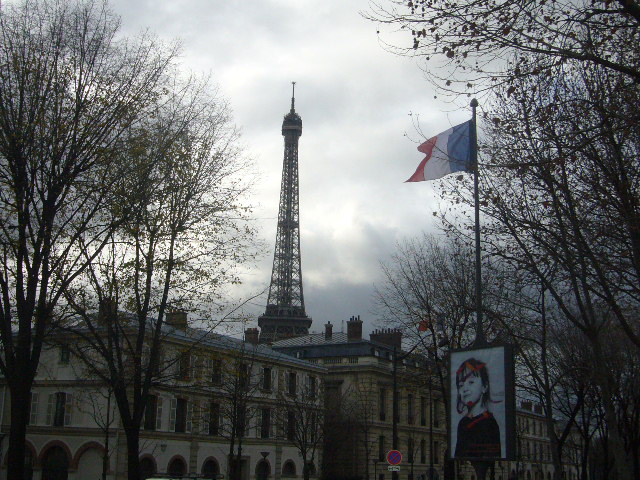
For the past two years, I flew to Paris to make an American Thanksgiving dinner for my friends in Europe. My friend’s husband treasured everything about the holiday-his dad was an American GI stationed in Austria during the Second World War. So when I offered to make a turkey dinner with his family recipes, I got a big green light to cash in my air miles and come over.
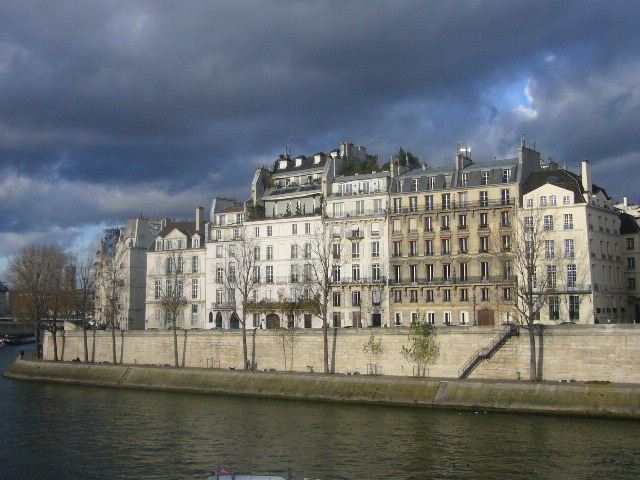
My first trip to Paris was in 1989 when I was studying abroad. But it was years later when I fell in love with the city – just about the same time that I fell in love with food and wine. I owe it all to my friend, my travel “fairy godmother” who had generously opened her Place des Vosges doors to me whenever I was there for business. It was much more interesting to stay with friends to get an insider’s view of the city than stay in a sterile hotel. Over the years, I was unbelievably lucky to get to know the ins and outs of Le Marais, exploring the area near Hôtel Carnavalet by moonlight, and imagining life in the days of Louis XIII.


The first thing I did after I settled in was to stop by the neighborhood boucherie to reserve la dinde (the turkey). Between my jet lag and broken French it all felt a bit like a scene from the film Lost in Translation – the butcher spoke no English, but my “enchantee” pleasantries got me far. Fortunately, I had a picture of a finished turkey to point to, so there was no confusion over what kind of bird I was looking for. I learned that it came from the southwest of France, an area famous for foiegras.
Relieved that the riskiest part of my job was now done, I took a break and set off for a lazy lunch at L’Escargot on Rue Montorgueil. Turkeys are not easy to come by in the Marais, and there was no way I could go home to my friends without one, having come all the way from New York to make Thanksgiving dinner. Feeling satisfied with the day, I set my alarm that night for an early start on Thursday morning.
Thanksgiving of course is just an ordinary day in Paris. There was no need to get up at the crack of dawn for shopping, but my adrenalin rush overpowered my jetlag. With a quick espresso, I was out the door and ready for an adventure. In Paris, the fruit and vegetable stands pay tribute to a country that worships gastronomy-with dramatic displays of cascading oranges and massive mushrooms.

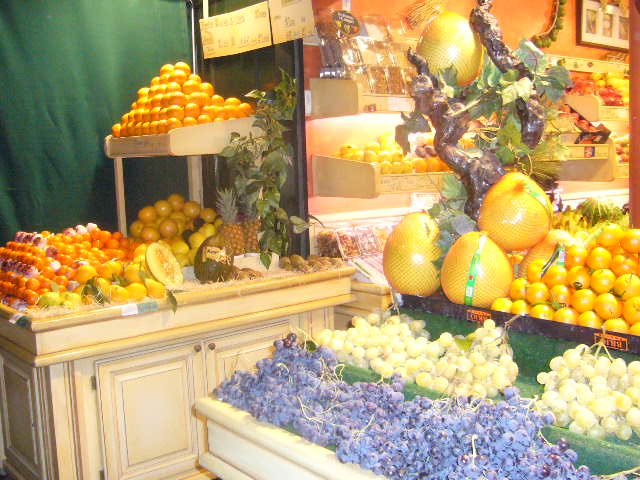
By late morning I realized it was time to get home and get cracking. I kept things pretty old school this year, with mashed potatoes, stuffing, corn and pumpkin pie to accessorize the turkey. I suggested a French inspired menu of potatoes dauphinoise , but my friend thought it was a bit over the top and just wanted to keep it simple. So I stuffed the bird with some thyme, parsley and chives from the garden and gave it a good massage of olive oil and seasoning. With some high math converting temperatures from Fahrenheit to Celsius, la dinde was ready to rest in the oven.

My friend’s guests arrived by 7 for their first Thanksgiving experience. They lived in Paris, but originally came from Düsseldorf, Naples, Lyon and Columbia. They gobbled it all up, and many helped themselves to seconds. They seemed to be enjoying it, but I think more than one French guest was horrified by the idea of piling all of that food onto one plate like we Americans are so accustomed to doing!
The next day when I woke up from my tryptophan induced coma I looked in the fridge to see what I could make for a “day after Thanksgiving” dinner. The thought of turkey salad was so unappealing. And then, in their Euro Tupperware, I realized we had turkey stock. Voila! Just the inspiration I needed to make risotto.
I have been having risotto parties for friends and family in New York for 10 years. I learned how to make it from the pros at La Foresteria Cooking School at Serego Alighieri, in Gargagnago (the Veneto) when I was in the Italian wine business. It’s my favorite thing to make because it’s comforting and creative. The base risotto is like working with a blank canvass. Once you get this right, the possibilities are endless. For the best taste and texture, the rice must slowly absorb all of the stock. Many have said that “naked” risotto (with a little white wine and parmesan cheese) is flavorful enough, but I like to experiment with a few different types to make it more of an event.

So I found a giant pot, reduced the stock, and got my game going. I sautéed some shallots, browned the Nano Vialone rice in the mixture, and ladled the broth bit by bit. We had some left over fresh asparagus and blue cheese from the endive salad the day before, so there were two types right there…. and my friend had some truffles in the cabinet to make a third. For some protein, I quickly sautéed some of those precious little Euro scallops on high heat (the ones with the orange roe on them). Our impromptu dinner was complete.
It was one of the best risottos ever . Maybe it was the glamour of being in Paris, or that I got the kinks out of my cooking the day before…or it could have been the turkey stock. Most likely it was the fact that it was I was able to cook free form, with no recipe and no pressure from the expectation of Thanksgiving Dinner. It was just a fun time, relaxing with dear old friends. For me, the risotto was the best part of Thanksgiving (in Paris).
This week I checked out the new Trader Joe’s on the upper west side in nyc. I used to shop at Trader Joe’s regularly when I lived in CT back in the mid-90’s, but have become loyal to Fairway since moving to the city. Curious to see what all the hoopla was about, I donned my black sunglasses and stepped in for a quick visit.
As any engaged marketer knows it is almost impossible to run in and out of the supermarket without taking in all of the trends. Trader Joe’s is an incredibly powerful mark, able to carry its entertaining legend across everything from Bavarian bratwurst to beef jerky to General Tsao’s stir-fry sauce to garbanzo beans. Unlike typical grocery stores, which may carry 50,000 sku’s, apparently Trader Joe’s stocks about 4,000 items to discover, 80% of which bear the Trader Joe’s name. So I started thinking-what brands make up the other 20%? Do they share any values? What brands are so desirable and good tasting for Trader Joe to welcome into his brand story and store?
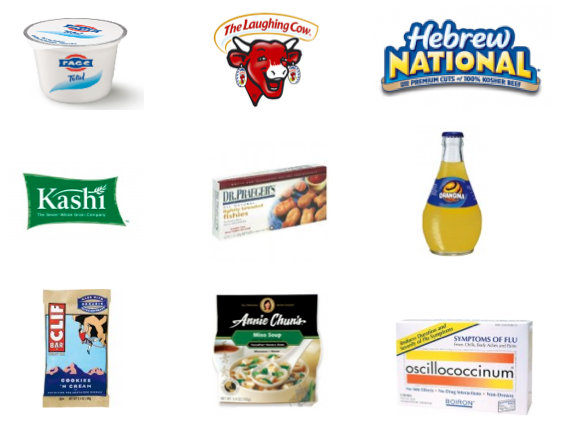
Dairy: They have a huge offering here including milk, kefir and probiotics, but keeping Joe company are brands like Fage, Laughing Cow and Land O Lakes. Clearly, dairy brands are in vogue at the moment. In fact the current Laughing Cow campaign “Have you laughed today?” is brilliant-targeted to busy women looking for a low calorie, convenient snack, it is the kind of must have, feel good shopping list item you go to the store for. I can see why it makes the cut.
Meat: They look to Nieman Ranch for some farm-raised style or Hebrew National for premium cuts of Kosher Beef (the new packaging sits confidently on the shelf as a true leader).
Cereal: Trader Joe’s extends nicely across grains, but what retailer in their right mind wouldn’t carry Kashi? Always on the pulse, Kashi’s new campaign (“as much protein as an egg”) continues the craze.
Frozen: This area is pretty frozen by Trader Joe’s, although I was interested to see Dr. Praeger’s chilling right there along with Trader Giotto. The super simple clinical feel of this package does seem very sensible and different in the mix.
Beverages: Now here’s where it gets interesting. They may have a few of their own brands (Trader Joe’s Hofbrau Bock!) but the category is dominated with lifestyle names like Figi, Orangina, Red Stripe and Dos Equis. Image is everything in this space.
Power Bars: Brands like Cliff Bar, Think thin, Larabar and Luna rule and dial up the energy.
Health/Vitamins: Trader Joe may be a healer, but leaves it to brands like Oscillococcinum and Airborne for holistic immune support.
Soup: They’re cooking up a lot of soup but look to mama Annie Chun’s for some authentic Chinese with original personality.
Last but not least, toilet paper- you guessed it, covered!
So what do the brands on shelf with Trader Joe’s have in common?
-Originality-there is nothing else like them in their segments. They broke the mold.
-Iconic –Their names, identity and logos have strong character and legend.
-Culture-whether new or old, these brands have a unique point of view. Fage paved the way as the leader in Greek yogurt, focusing on super premium purity over regionality. Oscillococcinum’s lengthy name and uplifting package brings curiosity and new-age wisdom. Orangina offers vintage art and French fame. These brands have the power to change habits and inspire loyalty (my fridge is now filled with Fage for breakfast and cooking and Laughing Cow wedges for a no-guilt cheese to melt in an omelet).
In an era where house brands like Trader Joe’s are offering top quality and top value across so many categories (360 by Whole Foods, Archer Farms by Target and DeLish by Duane Read), the bar has been raised. For brands to be welcomed into these kind of power retailers, they will need to bring something truly unique to the party.
Trader Joe is a character with a lot of range to his personality, but even he gets by with a little help from his friends.
Author: Michelle Lawton, joyfulplate.
First, we want to thank Art Ludlow of Mecox Bay Dairy for treating us to a very personal visit to the farm and to his home. We visited a few weeks back while on vacation in Long Island.

Mecox Dairy was recently featured in the summer issue of Edible East End, so this entry will be brief. A friend of ours saw the article, called Art, and he was kind enough to give us a personal tour.
The Ludlow’s have a background in potato farming and their family has been working the land in Bridgehampton since the late 1800’s. A few years ago Art had an epiphany and realized the soil that had yielded potatoes for generations would be wonderfully fertile for raising dairy cows. An artisanal dairy was born.
Raw milk artisanal cheese is the new livelihood of Art and his family at Mecox Bay. Today, Art manages the cows and cheese and his brother, Harry, the farmstand. They have committed to maintaining a small production, selling mainly in the Hamptons (although we’re optimistic that Eli’s in NYC will also stock it, given that Eli’s Farmers market in Amagansett is an existing customer). The farm is totally sustainable and uses no chemicals whatsoever. The cheeses vary by the season as the cows graze on grass in the summer and hay in the winter.
The real deal
Our visit began with a walk into the (oh so fragrant!) cow stalls….they have 12 Jersey cows in total at Mecox, producing up to 45 pounds of cheese a day. On the wall in the milking parlor was a fertility and gestation chart to help plan the breeding process. This chart made me feel connected to something bigger- a natural and normal process that I’ve never given much thought to when enjoying cheese with a glass of wine. Here is Art below, with a calf that was just born the day before -so sweet.

Cheese Making 101
We asked Art for a really basic explanation of how cheese is made. First, the milk is heated to 95 degrees. Then, a freeze-dried culture is added which contains bacteria that will consume the lactose in the milk. Next, a coagulant binds the cheese and after an hour, the curd (solids) are cut -and the whey is released (the liquid by product left over from the cheese that makes ricotta, for example).
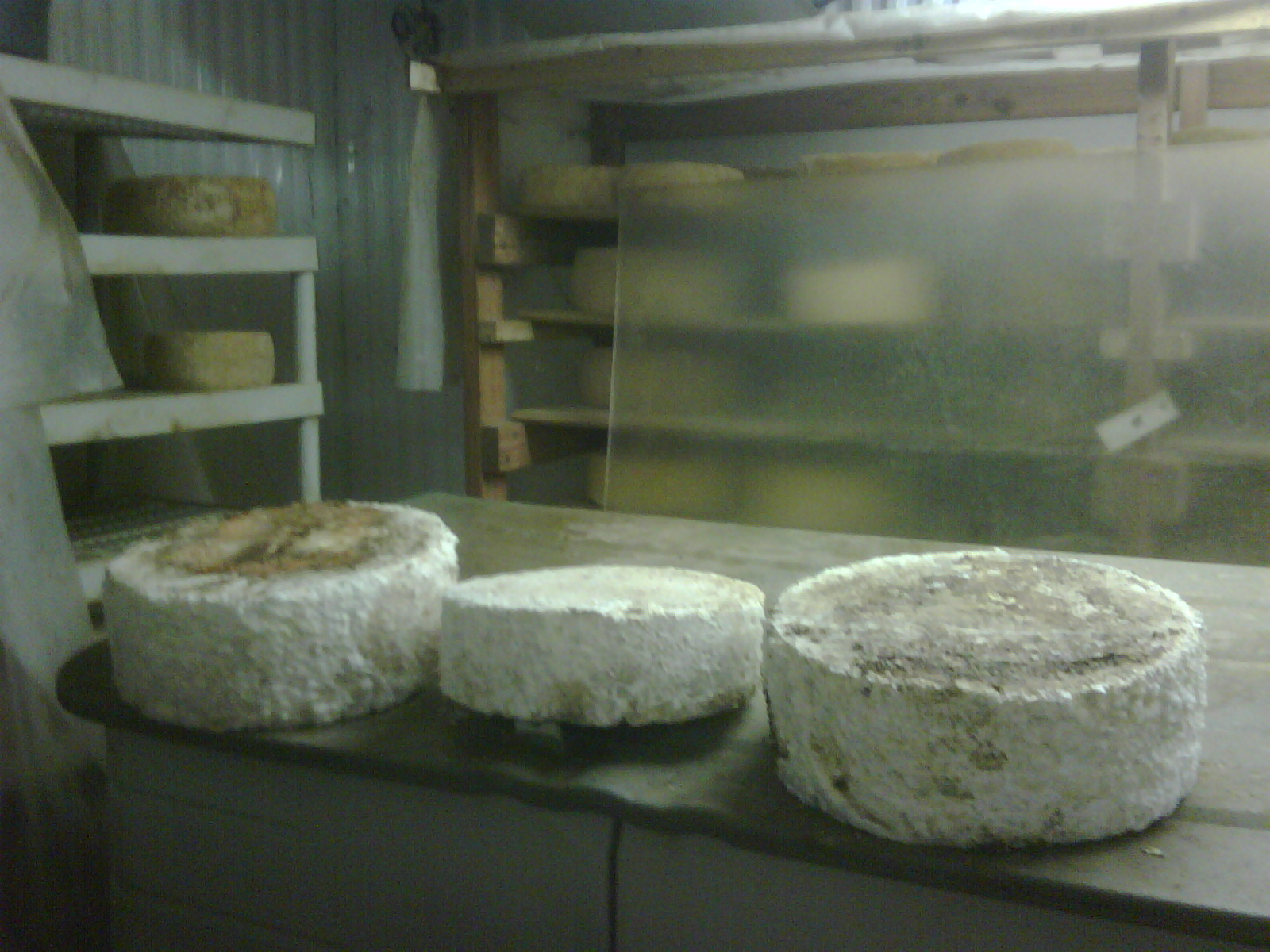
Mold is a good thing
The mold protects the cheese-the larger cheese, the more protection. Cheese has something in common with wine-it can age for 10, 20 years given the right conditions (55 degrees, 85% humidity). In order to sell raw milk cheese, the aging takes a minimum 60 days before it can go public (since it’s not actually pasteurized).
Making our Full English breakfast fuller
We were invited by our English friend in the Springs for an overnight stay later in the week and Mecox cheese “Atlantic Mist” and “Shawondasee” was the best hostess gift we could imagine.
We had the works: white pudding, eggs, bangers, slab bacon and sautéed tomatoes-along with Mecox Dairy’s gorgeous fresh cheeses to add a local American twist.
The breakfast of champions!


 joyful plate
 Joyful Plate - Blog